

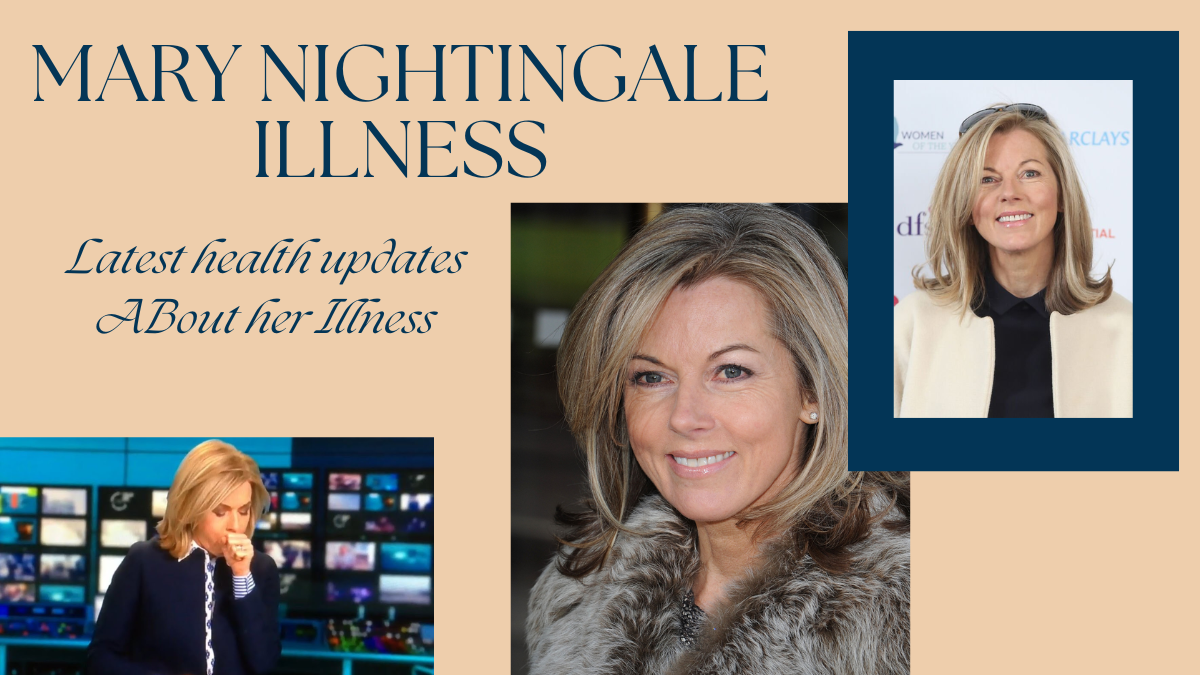
Discover the facts behind the Mary Nightingale illness rumors, latest health updates, and her legendary broadcasting career. Read a complete breakdown of her professional journey, family details, and public health impact.
When a familiar voice suddenly shifts or goes quiet, millions of viewers notice immediately. For decades, television news anchors have occupied a unique position in our daily routines. They enter our living rooms at the exact same time every evening, delivering world-changing events with unshakeable poise. When news ripples across the Atlantic regarding a potential mary nightingale illness, viewers and media analysts alike pay close attention.
Understanding the intersection of celebrity health, broadcasting pressures, and public concern matters because it highlights the human element behind the news desk. In an era dominated by rapid digital algorithms, a single day of sick leave or a brief bout of hoarseness can morph into global internet speculation. This comprehensive guide dissects the facts behind the mary nightingale health update, separating genuine occupational health challenges from the digital rumor mill, while celebrating a stellar career that continues to inspire audiences worldwide.
The Foundations of a Trusted Voice: Mary Nightingale Biography
To understand why public concern spikes over her health, one must first appreciate the legacy established within the mary nightingale biography. Born Mary Louise Nightingale on May 26, 1963, in the coastal town of Scarborough, North Riding of Yorkshire, England, she developed a foundational command of language early in life.
Educational Roots
Nightingale was educated at independent institutions, including St Margaret’s School in Exeter and King Edward VI School in Totnes. She pursued higher education at Bedford College, University of London, where she graduated with a Bachelor of Arts in English. This deep academic immersion in literature and communication laid the groundwork for her eventual transition into high-profile journalism.
From Finance to the Newsroom
Interestingly, Nightingale’s professional path did not begin in a newsroom. In the late 1980s, she worked as a Eurobond dealer in London’s fast-paced financial district, navigating trading floors at institutions like Bank of America International and Tokai International. This background gave her an analytical edge and a comfortable familiarity with complex economic data—a skill set that became immensely valuable when she pivoted to broadcast journalism in 1990.
Navigating Public Concern: The Mary Nightingale Illness Explained
When searches surge for the mary nightingale illness, it typically reflects a modern media phenomenon: the public’s deep emotional investment in long-serving broadcasters. When a legendary presenter steps away from the desk for even a brief period, audiences frequently assume the worst.
The core reality of any mary nightingale illness discussion lies in balancing public transparency with personal privacy. Like any professional, broadcasters face standard health hurdles—ranging from acute seasonal viruses to complex long-term conditions. In Nightingale’s case, public statements and credible media reports have consistently shown that while she has managed personal health trials with characteristic dignity, much of the online anxiety has been inflated by automated search suggestions and clickbait platforms looking to capitalize on public concern.
The Present Landscape: Mary Nightingale Illness 2026 Context
As we evaluate the situation surrounding the mary nightingale illness 2026, the overwhelming theme is professional resilience and continuity. Entering the mid-2020s, Nightingale remains a benchmark of stability in British media.
Mary Nightingale Status Overview (2026)
--------------------------------------------------
Current Age:          63 Years Old
Primary Role:         Lead Anchor, ITV Evening News
Tenure at ITV:        25+ Years
Key Health Status:    Active and Broadcaster-Resilient
In the current media landscape, tracking the mary nightingale illness 2026 involves looking directly at her broadcast frequency. While standard leave and scheduling rotations mean she is not on screen every single night, her definitive presence as Britain’s longest-serving single network evening news anchor remains fully intact. Her ability to navigate aging in the public eye while maintaining peak vocal and physical performance offers an encouraging blueprint for women in media globally.
The Demands of the Anchor Chair: Mary Nightingale Vocal Strain
One of the most authentic health challenges faced by any lifetime broadcaster is the physical toll of speech delivery. The term mary nightingale vocal strain points to an occupational hazard that affects up to 30% of voice professionals at some point in their careers.
The Anatomy of Broadcast Vocal Strain
Speaking clearly, precisely, and with a controlled, authoritative pitch for hours under hot studio lights causes significant dry air exposure and vocal cord fatigue. Newscasters must maintain a steady breathing rhythm while reading teleprompters, often shouting over internal earpiece static or adjusting their projection dynamically during live, unscripted breaking news events.
Managing Vocal Nodules and Laryngitis
Continuous use without adequate vocal rest can lead to conditions such as:
- Chronic Laryngitis: Inflammation of the vocal apparatus resulting in hoarseness.
- Vocal Fold Nodules: Small, benign callous-like growths on the vocal cords that disrupt smooth vibration.
- Muscle Tension Dysphonia: Structural strain where the muscles surrounding the larynx tighten excessively to compensate for fatigue.
When addressing historical reports of a mary nightingale vocal strain, media experts note that temporary voice changes are standard. Overcoming these hurdles typically involves specialized speech-language therapy, strict hydration protocols, and intentional periods of absolute vocal silence—remedies that Nightingale has effectively utilized to preserve her distinct, reassuring tone.
Fact vs. Fiction: Separating Truth from Mary Nightingale Cancer Rumors
In the digital ecosystem, speculative keywords can take on a life of their own. The persistence of mary nightingale cancer rumors serves as a textbook example of how the internet creates false narratives out of separate, benign facts.
The Search Algorithm Echo Chamber: If a prominent news anchor reports extensively on a major health story—such as the high-profile cancer diagnoses within the British Royal Family—search engines frequently index the anchor’s name alongside the medical condition. Over time, algorithmic autocomplete strings combine these terms, creating the mistaken impression that the presenter themselves is facing the disease.
Deconstructing the Speculation
There is no verified, public medical data indicating a severe, current oncological battle for Mary Nightingale. While she has been a vocal proponent of early health screenings and preventative medicine, the specific mary nightingale cancer rumors are largely an artifact of internet speculation. When public figures do face health trials, Nightingale’s history suggests she handles them with a quiet, measured transparency rather than public drama, effectively defusing sensationalism.
On the Airwaves: Mary Nightingale ITV Evening News Health and Continuity
The anchor’s health is directly tied to the structural workflow of major networks. Her long-standing role anchoring the mary nightingale ITV evening news health beats and daily updates requires massive physical stamina.
The Daily Rigor of Network News
A standard day for an ITV lead anchor involves:
- Midday editorial meetings and script reviews.
- Breaking news updates and continuous revisions as stories evolve across global time zones.
- Live broadcasting under intense studio lighting environments that require absolute focus.
| Operational Element | Impact on Presenter Health | Mitigation Strategy |
| Studio Lighting & Air | Dehydration, dry throat tissues | Continuous hydration, controlled climates |
| Breaking News Stress | Spiked cortisol levels, physical tension | Deep breathing techniques, specialized physical pacing |
| Prolonged Sitting/Standing | Spinal strain, poor circulation | Ergonomic workplace adjustments, active off-camera mobility |
ITV’s management of health and rotation ensures that anchors like Nightingale are provided structured support to avoid burnout. This systemic approach explains how she has maintained an unbroken reputation for excellence over a quarter of a century.
The Inner Circle: Mary Nightingale Family Details and Personal Support
Behind every resilient public figure is a grounded private life. The mary nightingale family details offer a clear view into the vital support system that sustains an anchor through career pressures and health scares.
Marriage and Partnership
In the year 2000, Mary Nightingale married Paul Fenwick, a seasoned professional working in human resources. This stable partnership has provided a private sanctuary away from the intense scrutiny of the media spotlight.
Raising the Next Generation
Together, Mary and Paul have two children:
- Molly Fenwick
- Joe Fenwick
Having a supportive family structure is a recognized medical asset. Studies consistently show that professionals who face intense, high-stress public roles recover faster from physical ailments, such as vocal exhaustion or seasonal illnesses, when backed by a stable, loving home environment. The Fenwick-Nightingale family has consistently prioritized privacy, ensuring that home remains a place of rest and recovery.
A Legendary Run in British Media: Mary Nightingale Career Highlights
To frame her health journey correctly, one must look at the sheer scale of the mary nightingale career highlights. She is not merely a reader of the news; she is a historical narrator for the United Kingdom and global audiences.
Pivotal Broadcaster Milestones
- TRIC Newscaster of the Year: Awarded this highly prestigious industry honor twice, in 2002 and 2004, cementing her peerless status among her broadcasting contemporaries.
- Sole Anchor Transition: In January 2017, ITV shifted its evening news format, naming Nightingale the sole permanent anchor of the ITV Evening News, a testament to her commanding solo presence.
- Historical Royal Coverage: Nightingale led the deeply sensitive live broadcasts detailing the passings and funerals of Queen Elizabeth The Queen Mother (2002), Prince Philip, Duke of Edinburgh (2021), and Queen Elizabeth II (2022). Her coverage of the Queen Mother’s passing earned a shortlisting for a BAFTA award.
Her diverse background also includes hosting the travel classic Wish You Were Here…? from 1999 to 2001, where she learned to scuba dive and herded cattle in Arizona, showcasing a vibrant physical vitality that contradicts any narrative of permanent fragility.
Philanthropy and Heart: Mary Nightingale Charity Work
A public profile becomes incredibly powerful when channeled into altruism. The extensive portfolio of mary nightingale charity work underscores her deep commitment to healthcare and family well-being.
Rainbow Trust Children’s Charity
Nightingale has served as a devoted, long-term ambassador for the Rainbow Trust Children’s Charity, an organization providing emotional and practical support to families who have a child diagnosed with a life-threatening or terminal illness. Her work here has involved presenting high-profile radio appeals, hosting fundraisers, and raising crucial awareness regarding pediatric palliative care needs.
Action for Children
Additionally, her alignment with Action for Children highlights her dedication to vulnerable youth. By using her recognizable voice to champion these causes, Nightingale shifts the focus from her own life to the systemic health and social challenges facing families across the nation.
Practical Examples and Media Literacy Lessons for Audiences
The widespread curiosity surrounding celebrity wellness provides an excellent opportunity to build practical media literacy skills. When consuming health updates about high-profile figures, readers can apply specific steps to avoid falling for misinformation.
1.Verify the Primary Source:Check Official Outlets.
Always look for official statements directly from the individual’s management team or the broadcasting network (e.g., ITV News). Avoid third-party gossip blogs that rely on anonymous quotes.
2.Deconstruct the URL and Date:Avoid Recycled Content.
Check the publication date. Clickbait websites often recycle old health stories from years prior and frame them as breaking news to drive ad revenue.
3.Separate Context from Association:Identify Algorithmic Confusion.
Determine if the person is actually ill, or if they are simply reporting on an illness. As seen with prominent anchors, reporting on cancer can cause their name to trend alongside the word “cancer” falsely.
4.Cross-Reference with Active Apperances:Look at Current Broadcasts.
Check live TV schedules or verified official social accounts. If the anchor is actively presenting the evening news with clear vocal clarity, the health scare is likely outdated or completely fabricated.
Conclusion
The ongoing narrative surrounding Mary Nightingale demonstrates that true professional longevity is built on adaptability, structural support, and personal resilience. At the age of 63 in 2026, she stands as a towering figure in international journalism, proving that health hurdles like vocal strain are manageable hitches rather than career-ending barriers. By understanding the realities behind internet rumor mills, audiences can appreciate her exceptional career, her invaluable charity work, and her steady, reassuring presence on our screens for what it truly is: a masterclass in broadcasting excellence.

2 Comments
I appreciate that the article separates rumors from confirmed information instead of treating speculation as fact. WithBlog Comment Creation Guide topics involving someone’s health, it’s always helpful to emphasize reliable sources and respect for privacy, so readers can stay informed without contributing to unnecessary misinformation.
Pingback: Is Peter Orszag Bald? The Truth Behind the Rumors - wikiblog.co.uk